5 Weeks Daytime Chinese Calligraphy Starts 4 March – CANCELLED

The five week course runs from Wednesday morning 4 March to 1 April 2020 will be led by Chi Zhang, the Institute’s experienced calligraphy teacher. This course will start by introducing common techniques related to the Chinese soft brushes and ink. Students will also learn the basic strokes of Regular Style. Regular Style (Kai Shu) is most common in modern writings and publications. This writing style is suitable for both beginners and students who learned Clerical Style before. With a maximum of 12 students in the class plenty of personal attention is guaranteed as well as clear demonstrations and instructions to help students develop their skills.

Students can anticipate completing at least one piece of Chinese calligraphy artwork per class. The contents of this work could be a selected Chinese poems or perhaps an ancient master’s quotation.

The cost is £125 for the 12.5 hour course which runs Wednesday mornings from 10.00am – 12.30pm from 4 March 2020. There is a concession rate of £100, which is offered only to full time students. The fee includes all materials. A minimum of five students are required to ensure the class goes ahead.

To secure your place on this enjoyable course please use the University’s ePay system or you can download this PDF Form which you will then need to complete and return to our office with a cheque made out to the University of Edinburgh for the appropriate amount. (Please note we are no longer accepting cash payment in our office)

This course will be led by Chi Zhang, experienced art tutor, shortlisted of ‘Sky Art Landscape Artist of the year 2015’. For more information and see Chi’s work please visit http://www.chizhangartist.com

If you have any questions please contact us on 0131 662 2180 or email info@confuciusinstitute.ac.uk

Key Information

Course: Five week Chinese Calligraphy – Regular style (Daytime)
Date + Time: Wednesday Mornings: 4 March – 1 April 2020, 10:00-12:30pm
Cost: £125 (£100) including all materials
Location: Confucius Institute for Scotland Campus, Abden House

One to one tutorials and small group workshops can also be arranged. Please email info@confuciusinstitute.ac.uk or call us on0131 662 2180 to discuss further.

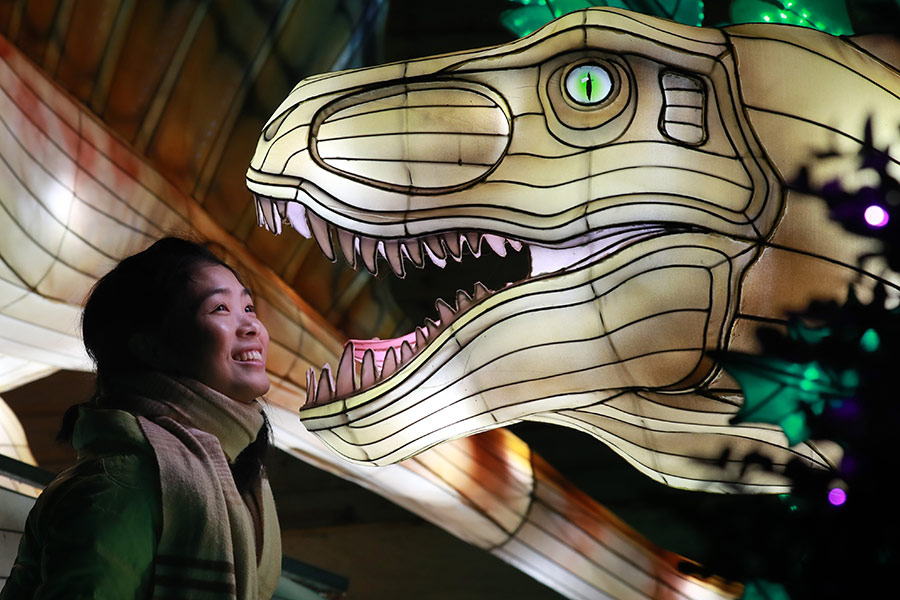
Giant Lanterns Lost Worlds at Edinburgh Zoo 15 Nov – 26 Jan 2020

Edinburgh Zoo Lanterns
Picture by Stewart Attwood

The award-winning Giant Lanterns returns to Edinburgh Zoo, but with a whole new theme for 2019. Running across 47-nights, this extravaganza is based around a Lost Worlds theme, where hundreds of prehistoric creatures will be brought to life to present a visually stunning display of the history of wildlife. 

Discover 570 million years of wildlife, from when the origins of life appeared as a dazzling array of tiny microbes, to a world where dinosaurs were born and the ice age gave way to the forgotten giants of the animal kingdom.

This is the third year the Confucius Institute for Scotland in the University of Edinburgh in partnership with Royal Zoological Society of Scotland (RZSS) for this season’s Giant Lanterns festival. 

Book your ticket from Edinburgh Zoo website HERE

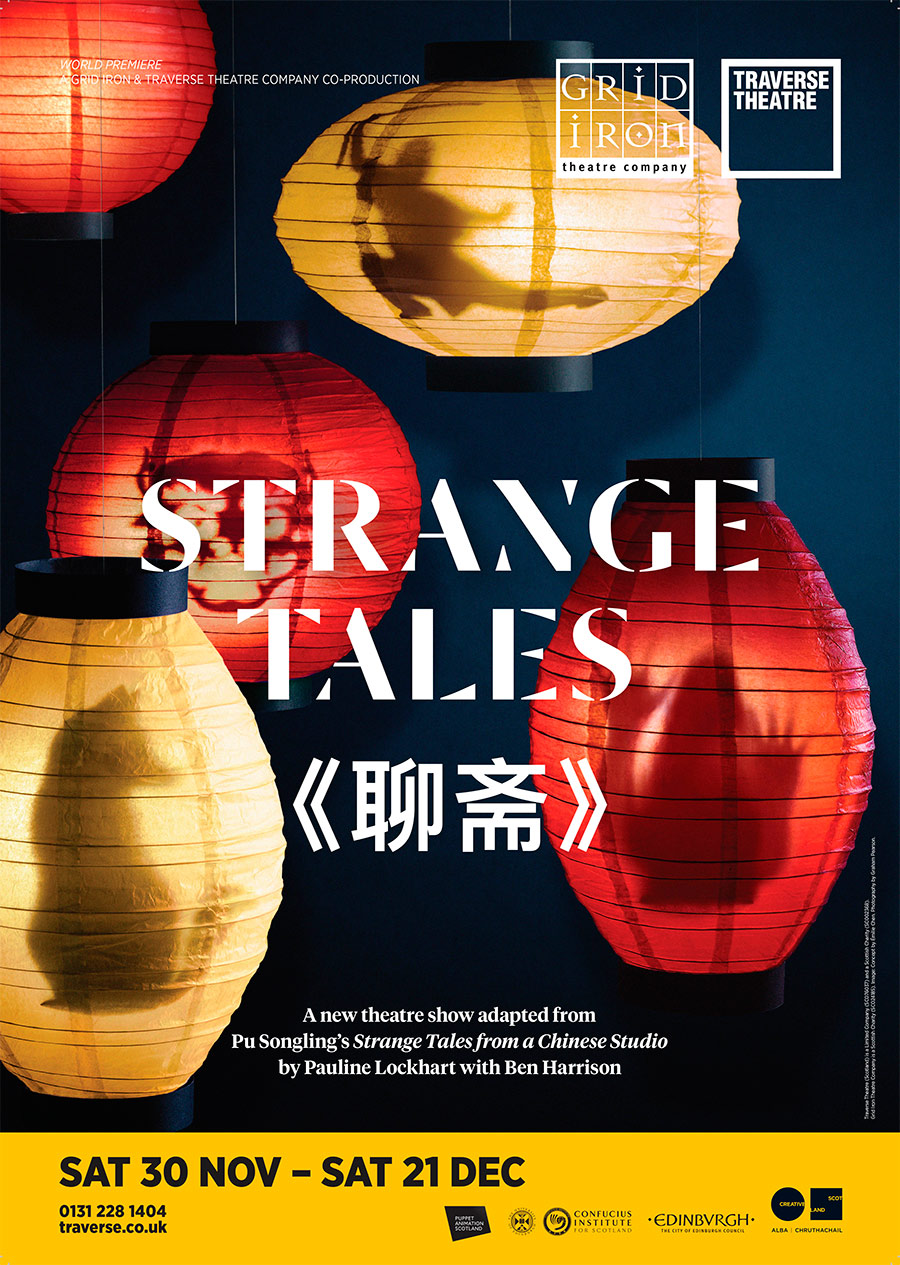
Strange Tales (聊斋), Traverse Theatre, 30 Nov – 21 Dec 2019

When wind and snow fill the sky and the fire has grown cold, relight the coals, warm the wine and turn up the wick of the lamp. We enter these tales in the shadows of night, but hopefully emerge into daylight.

Strange Tales is presented by theatre company Grid Iron in co-production with the Traverse Theatre and in partnership with The Confucius Institute for Scotland in the University of Edinburgh.

Based on Pu Songling’s legendary Strange Tales from a Chinese Studio, audiences can expect to be beguiled and bewitched by brand new adaptations of a selection of these renowned tales, involving innovative new digital technology, puppetry and illusion. Though written centuries ago, they feel remarkably current, reflecting and commenting upon many aspects of modern society – greed, attraction, arrogance and hope, among many others. But you must enter the production’s immersive and spellbinding world with an open mind and a brave heart if you’re to escape these tales ever again….

Adapted by Pauline Lockhart (Schooled) and Ben Harrison (Jury Play, Spring Awakening) from a selection of Pu Songling’s original tales, Strange Tales will wrap itself around you and make you shiver in delight and fright on Edinburgh’s dark winter nights.

Date: Saturday 30 November – Saturday 21 December

Location: Traverse Theatre, 10 Cambridge St, Edinburgh EH1 2ED

Price: Previews £15 / £10 / £5 | Full price £20 | Standard concession £16 | Under 30s / Student £14 | Other concession £5

Age guide: 14+

Detailed information about the show and to book the ticket, please visit Traverse website: HERE 

strange tales

Special Lectures on Chinese Art – 28 & 29 Oct

Professor Jing Lyu | Fudan University, Shanghai

Lecture 1: Retrieving the Glory of Lacquerware in Ancient China
28 Oct 2019 16:30-17:30 | Seminar Room A, Fire Station, Edinburgh College of Art

Lecture 2: Between Innovation and Tradition: Xiaojiaochang New Year Prints in Shanghai
29 Oct 2019 11:10-13:00 | Seminar Room C, Fire Station, Edinburgh College of Art

Jing Lyu (吕静) is a Professor in the Department of Cultural Heritage and Museology at Fudan University, Shanghai. She obtained her bachelor’s degree and master’s degree in history at Fudan University and completed a doctorate in literature at Tokyo University. Before joining Fudan University in 2005, she served as a researcher at the Institute of History of Shanghai Academy of Social Sciences and the Institute of Oriental Culture of Tokyo University, and lecturer at the University of Sacred Heart. The research interest of Professor Lyu includes the ancient history of China, the history and society of East Asia, and cultural relics. She focuses on the study of oracle bones, bronzes, bamboo slips, lacquerware and intangible cultural heritage. Her books include Research of Mengshi (盟誓) in Spring and Autumn Period: A Reconstruction of Society based on Religious Cults (2007) and The Collection of Oracle Bones at Fudan University (2019), and translation of The Society and Country of Ancient China (2018). She also manages more than ten research projects, including the art project of National Social Science Fund, The Investigation and Research on Ancient Chinese Lacquerware collected in Japan, Shanghai Philosophy and Social Science Project, Shanghai Pujiang Talent Project, Project of National Cultural Relics Bureau, and the international project funded by Japan Society for the Promotion of Science. Professor Lyu is the awardee of research excellent of Shanghai Philosophy and Social Science (2011).

Lecture 1: Retrieving the Glory of Lacquerware in Ancient China
28 Oct 2019 16:30-17:30 | Seminar Room A, Fire Station, Edinburgh College of Art

China is the only original country of lacquer throughout the world, and lacquerware, which is made of lacquer, is an invention of ancient China in prehistoric times. By using lacquer as glue or enhancer, this kind of artefact was more multifunctional and endurable, especially in an ancient society where resources were limited and tools were rude. The production and use of lacquerware not only show the wisdom of Chinese ancestors, but also make great contributions to world civilisation. The technique of producing lacquerware also has a significant influence in neighbouring countries, such as Japan, Korea, Vietnam, Thailand, Burma and Cambodia.

At least 8,000 years ago, the residents living along the Lower Yangtze River had been varnishing artefacts with lacquer. After the end of the Bronze Age and before the mass production of porcelain, lacquerware reached the first peak in the history of China. During the first peak, from the Warring States Period to the Han Dynasty, the amount and types of lacquerwares exploded. They appeared in nearly every aspect of life, including catering and ceremonial vessels, entertainment equipment, furniture, architecture, religious utensils, military affairs, etc. Various techniques were applied on lacquerwares, like varnishing, painting, needle painting, metal embroidering, metal foil decorating and inlay. Both nobles and civilians were able to use lacquerware in their daily life due to its availability in quantity, so that lacquerware helped to enhance living quality in early China.

Later in the Tang Dynasty, the technique of lacquerware was highly advanced. As Tang culture spread out into Korea and Japan, lacquerware also permeated the society, politics, religion and art in these countries, which marked the second peak of Chinese lacquerware. The third peak was located from the Song to the Qing Dynasty when the techniques of lacquerware, such as carving, gold and silver inlay, and mother-of-pearl inlay, advanced to the pinnacle and brought incomparable aesthetic experience. This period symbols the optimal level of Chinese lacquerware. The lecture will first give an overview of the development of lacquerware in China. It will also discuss how the production of lacquerware contributed to the cross-cultural and artistic interactions between countries in East Asia.

Lecture 2: Between Innovation and Tradition: Xiaojiaochang New Year Prints in Shanghai
29 Oct 2019 11:10-13:00 | Seminar Room C, Fire Station, Edinburgh College of Art

Chinese New Year Prints originated from the door gods with the meaning of lustrum on time change (New Year). After the Song Dynasty, with the development of block printing, New Year Prints were in mass production and were increasingly accessible to the masses. The customs were further flourished. New Year Prints from different regions had different genres and styles, mainly four popular styles were recognised. Derived from Taohuawu New Year Prints in Suzhou, Xiaojiaochang New Year Prints in Shanghai is a carrier of Shanghai School’s artistic expression. Not only delivering realistic themes, diversified forms, westernized materials and modernized technology, such type of prints had a strong aftereffect, which laid the foundation for the emergence of novel advertising pictures and popular calendar posters (yuefenpai) of modern Shanghai.

Please note the lectures will be given in Chinese with spontaneous translation.

All Welcome!

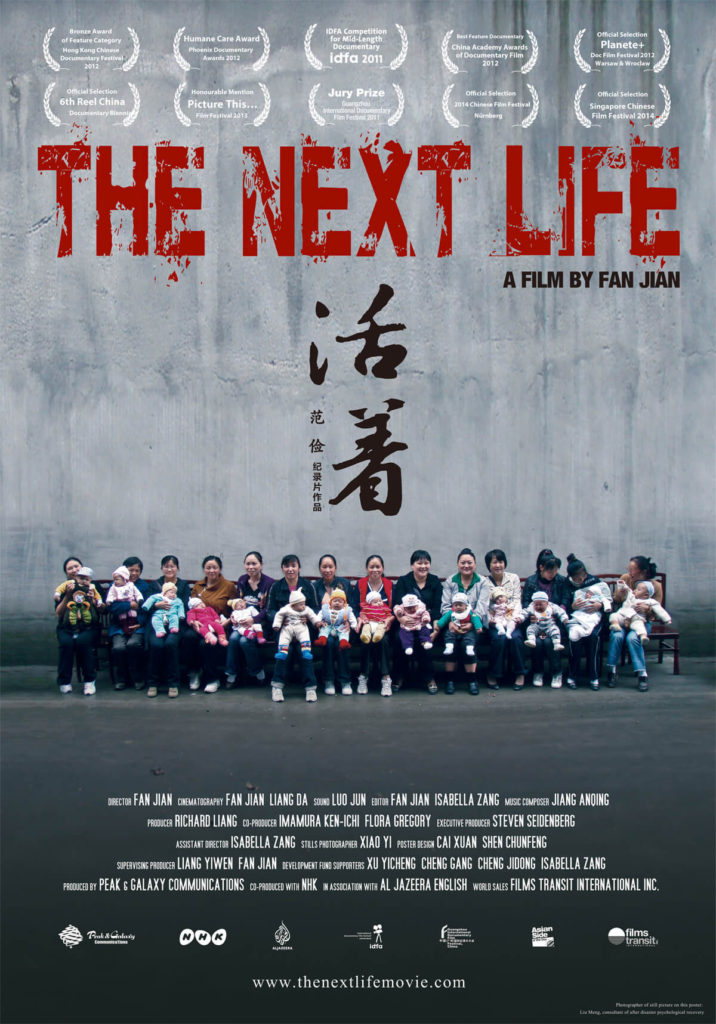
Chinese Film Documentary IV: The Next Life + A Second Child on 11 November

Fan Jian is a documentarian who focuses on Chinese social issues through character-driven storytelling. He has directed six feature-length documentary films, most recently Still Tomorrow, winner of a Special Jury Award at IDFA 2016. His films The Next Life (2011) follows a working-class couple lost their only child in the 2008 Sichuan Earthquake. When the earthquake hit, Zhu, the father, tried to rescue his beloved daughter from the rubble but failed, plunging the couple’s happy life into darkness and uncertainty. The sequel, a short entitled A Second Child (2019) records how the same couple struggle to recover from the painful past.

When talking about the film and the time he spent with the couple, Fan Jian said, “The long-term mental health damage to disaster survivors is equally as severe as the physical and economic damage to environment and society. This issue requires our immediate attention.”

These screenings form a part of Earth in Crisis Chinese Eco-documentary UK Tour curated by the Chinese Independent Film Network UK and sponsored by UK Arts and Humanities Research Council. The tour showcases a series of Chinese Eco-documentary films foregrounding the growing ecological emergency facing our planet and aims to encourage the discussion of such topics as sustainable development, anthropogenic climate change and human-environment relationships in the UK.

Join us for the opportunity to see The Next Life and A Second Child and also to meet the film director.

Date: Monday 11 November 2019

Location: Screening room (G.04), 50 George Square, EH8 9JU

Programme: 

17:30: Registration
18:00 – 19:30: Film Screening: The next life (2011)
19:30 – 20:00: Drinks Reception
20:00-20:30: Film Screening: A second child (2019)
20:30-21:00: Q&A

Tickets are free and can be secured by booking from HERE.

My World in War and Revolution-16 Oct @6-8pm

Location: The Playfair Library Hall, Old College, University of Edinburgh, EH8 9YL

Date and Time: 16 Oct, 2019. 1800-2000

Each year the University hosts a series of inaugural lectures given by Professors or Chairs newly appointed by the University. The speakers give an illuminating overview of their contribution to their field.

In both the East and the West the diaries is an ancient genre, but it underwent important changes in the modern era. Simultaneously, the social structure, media environment, and political regimes also transformed rapidly.

In this lecture, Professor Aaron Moore focuses on the relationship East Asian modernity shared with the personal diary, which came to both reflect and contribute to phenomena such as ‘total war’ mobilisation, revolution, and the experience of childhood. Moreover, having examined hundreds of diaries from around the world, Moore introduces a methodology for reading personal diaries that emerged out of his comparative approach to modern history. Despite the considerable cultural and ideological differences between China, Japan, America, the USSR, and Britain, the usefulness of the diary as a tool for self-discipline emerged almost simultaneously in each context, and this uncanny convergence must be explained.

Tickets for the event are free but must be booked in advance Here


Interested in sharing Chinese and East Asian stories?

The Traverse Theatre and Grid Iron Theatre Company are looking to connect with East Asian communities and individuals with an interest in traditional Chinese and East Asian storytelling to help develop a brand new theatre show. The new show will be based on Pu Songling’s Strange Tales from a Chinese Studio and will combine retelling of these tales with your own stories.

Dates
Thu 10 Oct, 7-9pm
Fri 11 Oct, 3-5pm

Venue
Saigon Saigon Restaurant, 14 S St Andrew St, Edinburgh, EH2 2AZ (near east end of Princes St)

These gatherings are free to attend and will include tea and snacks. You don’t need to bring anything – just come along to share conversation and stories. Mandarin speakers will be at
both gatherings.

To find out more, please get in touch with
info@traverse.co.uk or visit traverse.co.uk

Metamorphosis of a Butterfly: Xiyadie’s Queer Papercutting Art, 16 Oct @4-6pm

Date and Time: Wednesday, 16 Oct, 4 – 6 pm

Location: 50 George Square, Project Room (1.06), University of Edinburgh

Celebrated as ‘China’s Tom of Finland’, Xiyadie is probably one of the best-known queer artists living in China today. His identity as a gay man from rural China and his method of using the Chinese folk art of papercutting for queer artistic expression make him a unique figure in contemporary Chinese art. This talk examines Xiyadie’s transformation of identity in life and his representation of queer experiences in papercutting art. Using a critical biographical approach, in tandem with analysis of his representative artworks, I examine the transformation of Xiyadie’s identity from a folk artist to a queer artist. In doing so, I delineate the transformation and reification of human subjectivity and creativity under transnational capitalism. Meanwhile, I also seek possible means of desubjectivation and human agency under neoliberal capitalism and consider the role of art in this picture.

Dr Hongwei Bao is Associate Professor in Media Studies at the University of Nottingham, UK, where he also co-directs the Centre for Contemporary East Asian Cultural Studies (CEACS). He holds a PhD in Gender and Cultural Studies from the University of Sydney, Australia. His research primarily focuses on queer media and culture in contemporary China. He is the author of Queer Comrades: Gay Identity and Tongzhi Activism in Postsocialist China (NIAS Press, 2018). He has also published articles in Cultural Studies, Culture Unbound, Global Media and China, Health, Culture and Society, Interventions, Journal of Contemporary Chinese Art, Made in China Journal, Positions, and The JOMEC Journal.

No booking required. ALL WELCOME!

Memory on Fabric – Textiles of Revolutionary China, 25-29 Sept

Following up on our spectacular exhibition “Poster Art of Modern China, 1913-1997” in 2014, we are proud to bring back Yang Peiming, Director of the Shanghai Propaganda Poster Art Centre to present his unique collections of Textiles of Revolutionary China to Edinburgh.

This exhibition presents a unique perspective and an intimate window into everyday Chinese life in the 1950’s and 1960’s, the collection of Chinese Bed Quilts uncovers more than a simple fondness for the auspicious colour red.

Lovingly preserved by the private collector Yang Peiming of the Shanghai Propaganda Poster Art Centre, this rare and unique collection will exhibit in Europe for the first time.

Offering viewers not only an opportunity to come face-to-face with the traditional beauty of an ancient culture, the exhibition also provides an insight to the complex history of a modern-day superpower.

Date and Time: 25 September – 29 September, 1000-1700
Location: Riddle’s Court, 322 Lawnmarket, Edinburgh, EH1 2PG

Real Music / Friday Lunchtime Tours – 20 Sept @ 12.30pm

Date and Time: 12.30, 20 September 2019
Location: Talbot Rice Gallery, Old College, South Bridge, Edinburgh EH8 9YL
Free Admission – no booking required

Professor Natascha Gentz is Chair of Chinese Studies and founding Director of the Confucius Institute for Scotland. Considering the ideas put forwards in Samson Young’s The world falls apart into facts, 2019, Natascha will discuss the negotiations between the so called West and East. From the Colonial relations at the time of Sir John Barrow’s Travels in China, 1806 (featured in the exhibition), to recent instances of mistranslation, this tour will explore some of the global social and political issues raised by Real Music.

Bringing in experts from across the University of Edinburgh and beyond, this lunchtime tours enable a deeper exploration of some of the complex issues raised through the exhibitions. Each week, following a short general introduction by one of the Gallery’s curators, a specialist from a different field will join us to expand upon the themes of specific artworks. Providing different perspectives on Samson Young’s Real Music the upcoming tours navigate through the history of experimental music, the transcultural negotiations of the colonial empire, future applications of the next generation sound synthesis research and the culture of tourist instruments.

Please visit Talbot Rice Gallery website: https://www.trg.ed.ac.uk/event/real-music-friday-lunchtime-tours-0 for further information.


Chinese films at Edinburgh International Film Festival 2019

The Confucius Institute for Scotland is delighted to be sponsoring Chinese film screenings at this year’s Edinburgh International Film Festival.

Up the Mountain

Part of the Documentaries Strand

Up the MountainA portrait of a year in the painting studio of Shen Jianhua in Dali, Yunnan Province. Originally from Shanghai, Shen moved to the countryside to teach the local Bai women art and painting. The film documents both the fading traditions of the local community and the impact of a rapidly changing modern China. In the words of Wendy Ide from Screen International: ‘This lyrical documentary from Zhang Yang is a meditation on beauty.’ [U]
Up the Mountain is nominated for the 2019 Award for Best Documentary Feature Film.

Date and Time: 24 June, 20:20     Venue: Filmhouse

Date and Time: 26 June, 18:10     Venue: Odeon

For further details and book please visit EIFF website HERE.

Bodies at Rest

Part of the World Perspectives Strand

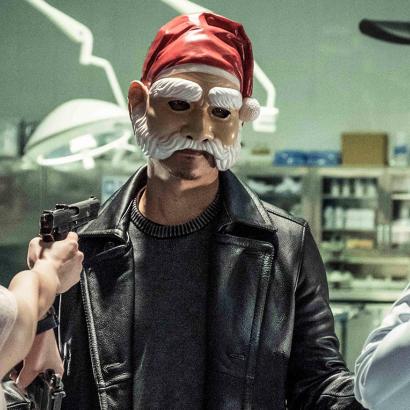
Bodies At RestHigh-concept action-adventure thrills ‘n’ spills from top genre director Renny Harlin, Bodies at Rest pays homage to the 1990s action skills Harlin refined in such films as Die Hard 2 and Cliffhanger. On a rainy Christmas Eve, the morgue of pathologist Nick Chan (Nick Cheung) and his intern (Yang Zi) is taken over by gunmen desperate to cover up a drug deal gone wrong. Taiwanese actor Richie Jen is great as the lead villain and the fight scenes make for great old-fashioned action mayhem. [15]
 

Date and Time: 20 June, 18:10  Venue: Odeon

Date and Time: 21 June, 20:40  Venue: Filmhouse

For further details and book please visit EIFF website HERE

From Shanghai with Love: 23 and 24 August 2019

After the sold-out success of 2017 and 2018, Donghua Edinburgh Centre for Creative Industries is set to return to the Edinburgh Fringe for the third time. Join us in the stunning Playfair Library on either Friday 23rd or Saturday 24th August for this combined exhibition and fashion show. Discover elegant, enduring and electrifying Qipao fashion, Shanghai Style, through the ages and into the future.

Our exhibition features Shanghai Style fashion from the Republican period and beyond. Our runway will feature contemporary and futuristic Qipao designs using the latest high tech materials and techniques, combining tradition with modernity.

Date and Time:

Friday 23 August 15.00, 18.00
Doors opened 30 minutes before the show to allow ticket holders to view the exhibition, enjoy a glass of fizz, and to choose seats. The exhibition remained open for 30 minutes after the show concluded.

Saturday 24 August 15.00, 18.00
Doors opened 30 minutes before the show to allow ticket holders to view the exhibition, enjoy a glass of fizz, and to choose seats. The exhibition remained open for 30 minutes after the show concluded.

If you missed the show last year, here is a short video that was taken on the opening day last year, enjoy!

Visit our microsite HERE for more details and Video Gallery for the previous show videos.

Bookings via the Fringe Box Office
Fringe Venue No 311:
Playfair Library, Old College Quad, South Bridge, Edinburgh, EH8 9YL

Chinese Brush Painting – one day workshop on Saturday 23 November

Bamboo has significant culture importance in China and other East Asian countries, represents good character of real gentleman and nobles. The traditional of bamboo and orchid painting had been around for many centuries and some techniques had been used for over 1000 years.

This one day workshop will start with introducing the history of Chinese bamboo painting then the common techniques related to the Chinese soft brushes and ink. Students can anticipate completing at least 3 pieces of Chinese painting artwork during the workshop. Demonstration and plenty of personal attention will be provided during the class. This workshop is suitable for both beginners and advanced students.

To secure your place on this enjoyable course please download this PDF Form which you will then need to complete and return to our office with a cheque made out to the University of Edinburgh for the appropriate amount. (Please note we are no longer accepting cash payment in our office)

The workshop will be led by our institute’s artist Chi Zhang. For more information and to see Chi’s work please visit HERE.

One-to-one tutorials and small group workshops can also be arranged.
Please email info@confuciusinstitute.ac.uk or call us on 0131 662 2180 to discuss.

Key Information

DATE: SATURDAY 23 NOVEMBER

TIME: 10AM-4PM

COST: £50 (£40) including all materials

LOCATION: Confucius Institute for Scotland Campus, Abden House


Chinese Calligraphy – one day workshop on Saturday 6 July

Chinese calligraphy is one of the earliest and most important visual art forms in China. As a practice, Chinese calligraphy is a calm, relaxing and meditative process, which benefits our well-being and leads to longevity. By controlling the special soft brush with a sharp point, Chinese brush painting is not only a mental exercise, but also a physical exercise that coordinates both mind and body.

No prior knowledge is necessary, you should simply be keen to learn and willing to hold a brush. All materials used during this workshop will be provided.
Join this session to try hands on and discover more.

The cost is £50 or £40 for university students’ concessions.

Combine this 1 day course with our Chinese brush painting workshop on Saturday 27 July for a discounted price of £80. Please visit here for details of brush painting workshop.

To secure your place on this enjoyable course please download this PDF Form which you will then need to complete and return to our office with a cheque made out to the University of Edinburgh for the appropriate amount. Cash payment can be made at the Institute in person.

This workshop will be led by our institute’s artist Chi Zhang. His Chinese calligraphy has been projected on Edinburgh Castle during the Edinburgh Military Tattoo in 2015. He also created calligraphy frontispiece for ‘Selected Poems by Robert Burns in Chinese Translation’, which was published by the Edinburgh University Press in 2010.

For more information and to see Chi’s work, please visit http://www.chizhangartist.com

One to one tutorials and small group workshops can also be arranged.

Please email info@confuciusinstitute.ac.uk or call us on 0131 662 2180 to discuss.

Key Information

DATE: SATURDAY 6 JULY

TIME: 10AM-4PM

Chinese Independent Documentary III

Wu Wenguang and the Folk Memory Project

Friday 31 May 2019, 2pm-7pm
Venue: 50 George Square, G.04 Screening Room

This event is free, but booking is essential. To book, please click HERE.

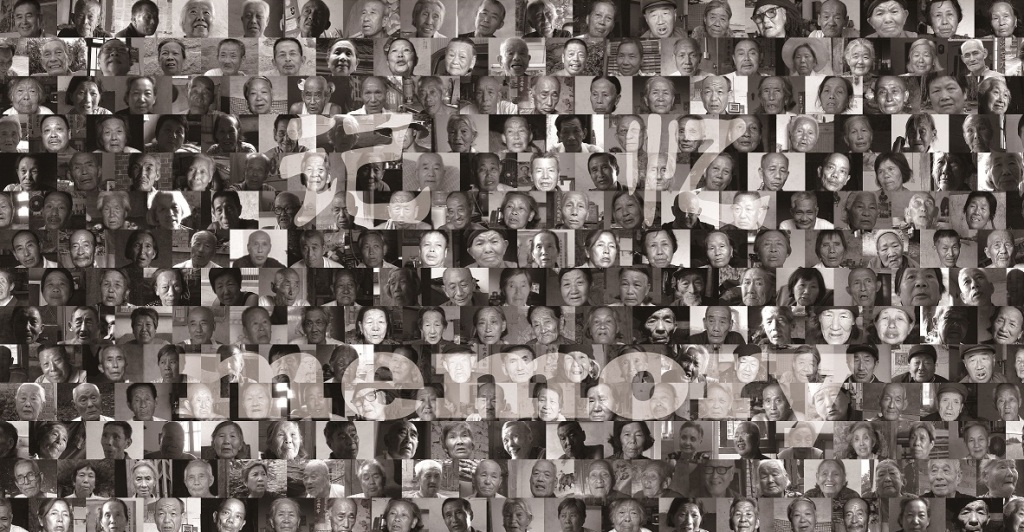
Folk memory project

Knocking on Memory’s Door with the Video Camera. A handful of people took video cameras and went back to their respective villages. They went in search of the old generation that was still living there in dim, stark houses. They went to uncover the memories hidden deep inside them. Each filmmaker had some prior relationship to the village. Some of them were born or grew up there, some still live there, some had never lived in the village but had parents or grandparents who had. For the old people in the village, this was the first time anyone had come with a camera to ask them to open their memory chests. Here was the younger generation, leaping over their parents’ generation– that generation wiped clean of memory- to ask the elders about the past. This meeting may be awkward and uncomfortable but it is also an exciting adventure. Their stories are now documentary films presented in this program. [Wu Wenguang: The Art of Unforgetting: Folk Memory Project]

We are delighted to welcome China’s foremost independent documentary filmmaker back to the University of Edinburgh to present his most recent projects. Join us for an inspiring Friday afternoon of cutting edge documentary in China, insightful lectures, discussions and “meet the artist” conversations over drinks and nibbles. [Natascha Gentz, Director, Confucius Institute for Scotland]

Programme:

14.00 – 15.30 Film: Investigating my Father (Wu Wenguang)

 15.30 Tea & Coffee

16.00 – 17.00 Presentation: The  Art of Unforgetting: Folk Memory Project

(Wu Wenguang & Zhang Mengqi)

 17.00 Drinks & Canapés

17.30 – 19.00  Film: Self-portrait: Sphex in 47 KM (Zhang Mengqi)

19:00 Drinks reception

About the Presenters

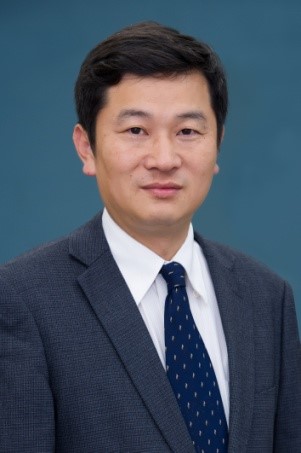
Wu WenguangWu Wenguang is the internationally acknowledged doyen of Chinese independent documentary, producing acclaimed “unofficial” films in China since the late 1980s. In 2005 he created the Caochangdi Workstation as an independent space to focus on oral history and to document individual stories during particular difficult historical periods including the “Three year famine”, the “Great Leap Forward,” the “Land Reform” and the “Cultural Revolution”. This massive project is intended to create an independent folk memory archive, now involving 20 filmmakers, and more than 200 participants going back to their villages for interviews, with over 1500 interviewees from more than 300 villages.
Zhao MengqiZhang Mengqi was trained as a dancer and joined Caochangdi as a filmmaker and choreographer in 2009. Her films have been presented at international film festivals in China, Japan and Europe. The film presented in Edinburgh will complete her 8 “self-portrait series”.
About the Films

Investigating My Father

Directed, edited by Wu Wenguang

80 min. /2016

Filmmaker’s words:

My father was a landowner’s son and an ex-Kuomintang Air Force pilot, who remained in mainland China after 1949. For survival, he tried to transform himself from a man of the ‘old society’ to a man of the ‘new society’. As his son, I started investigating his ‘history before 1949’, which he had kept away from me. This film documents the process of my investigation over twenty years.

Self-Portrait: Window in 47 KM

Directed, photographed, edited by: Zhang Mengqi

Length:110mins

2019.3

Filmmaker’s words:

This is the 8th film in my documentary series “47 km.”

An 85-year-old man sits under Mao Zedong’s portrait and, as the sun sets, recalls his revolutionary history in pursuit of “New China.”

Meanwhile, a 15-year-old girl named Fanghong walks through the village with her paintbrush, knocking on the doors of elders’ dark rooms, sitting before them to draw their portraits. She’s like a ray of light illuminating their memories and ruins.

I followed Fanghong, and together we built a window for 47 km village.

The Red Heroine at Hippfest Bo’ness Saturday 23 March

For the fourth year our Institute is supporting Hippfest – Scotland’s only festival dedicated to silent cinema with world-class music, red carpet glamour, and rarely-seen silent era films. Taking place in the retro surroundings of the Hippodrome, Bo’ness.

Saturday 23 March 2019: 15.30

UK Premiere

The Red Heroine

The Red Heroine

£10 | £8 conc.

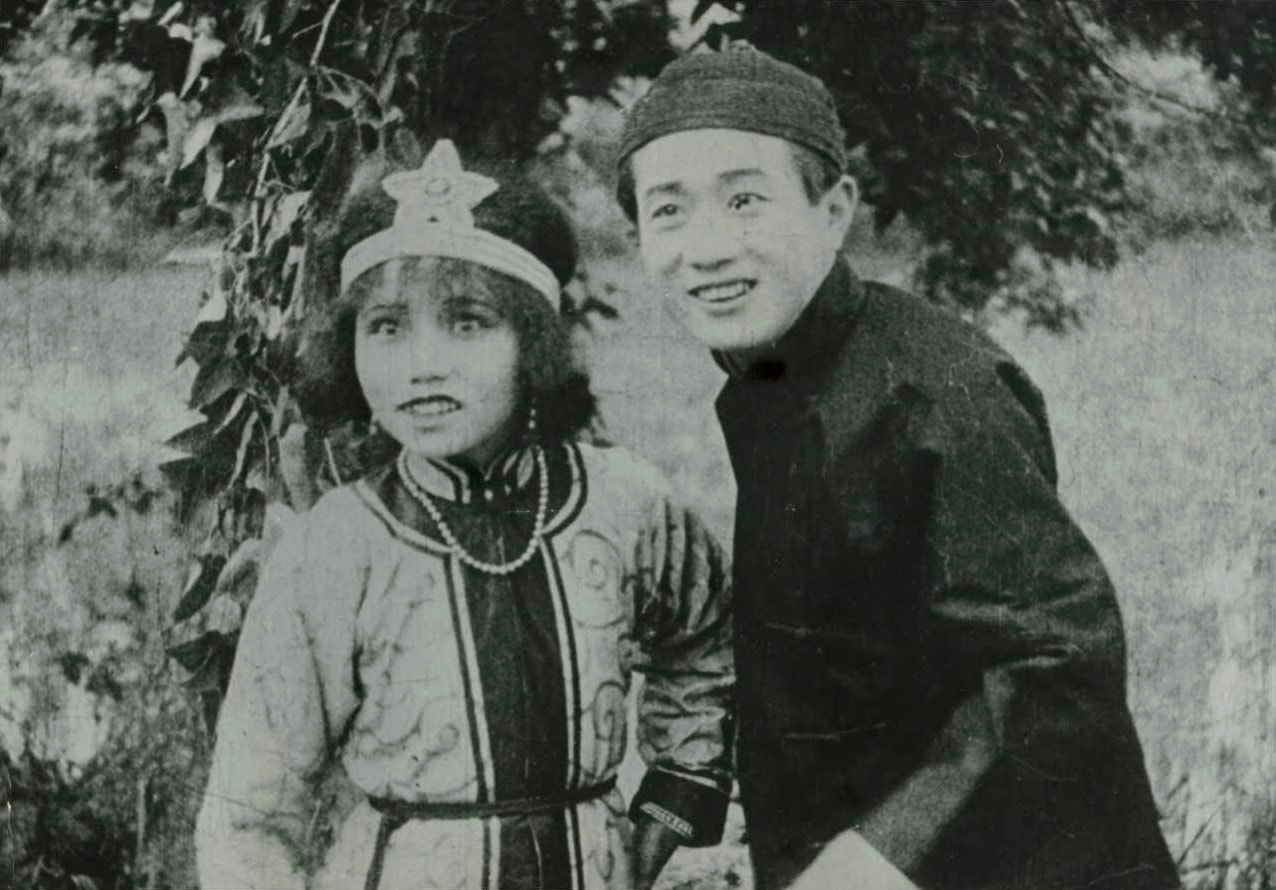
The oldest surviving Chinese martial arts film, featuring Fan Xuepeng – one of the first stars of the genre and an influential figure in the Chinese film industry who went on to establish her own production company. The ever-popular swordand-sorcery’s classic story structure of an innocent wronged by a villain, trained by a master, and returning to seek vengeance is all here. The occasionally clunky contemporary English translation of the intertitles, the fantastically pronounced teeth of the pantomime villain and the low-rent harem are all part of the fun, but the pay-off is a satisfying finale in which the Red Heroine shows everyone who’s boss.

Call 01324 506850 to book this event. Visit here for full details of the progamme.

HSK 2 Revision and Practice Starting 02 November 2021

Course Summary

HSK 2 Revision and Practice is to support those learners who are preparing for the HSK 2 test. Learners will have a total of 12.5 direct contact hours over the period of 5 weeks. This course is composed of three parts – mock tests, revision and practice. In this course, learners will have the opportunity to take simulated tests to help them understand the structure of the HSK 2 test. Revision is based on the mock tests where the teacher will identify the individual needs of students and suggest the necessary test skills. In addition to the mock tests and revision, 300 HSK 2 vocabulary and key grammatical structures will be reviewed and practised in this course.

Course Details

Date: 2 November – 30 November

Time: Tuesdays, 10am-12.30

Duration: 5 weeks, 5 sessions (2.5 hours each session)

Price: £102/£68 concession

To secure one of the limited spaces on this course, please use the University ePay system.

Teaching Methods

The class is structured in two stages. A student-centred learning and teaching method is applied in the first stage. A simulated test environment is created to encourage students to familiarise themselves with the real test on their exam day. After the mock test, the teacher will go through the paper. This will be a clinic study style in order to identify the areas students need to improve, and the teacher will provide the learners with the strategies of dealing with scenarios similar to the test.

The second stage applies a teacher-centred method. The teacher will go through the 300 HSK 2 vocabulary and focus on some common grammatical problems that arise among Mandarin language learners.

Essential Readings

Hanban. (2018) Official Examination Papers of HSK – Level 2 2018 Edition. Beijing: Higher Education Press.

Supplementary materials prepared by the teacher.

How strong is your vocabulary?

Try our Vocabulary On-line Self-practice to find out! Student will receive a full set of online practice in class. Before you start the class, why not try one of the below categories first?

HSK 2 Verb

Chinese bronze inscriptions and early Chinese culture and classics, Thu 18 April @6pm

Join us for the second lecture in our 2019 Distinguished Lecture Series when Professor Chen Zhi will give his lecture on Newly discovered bronze inscriptions of the late Shang and early Zhou dynasties and their significance for our understanding of early Chinese culture and classics

Chinese Bronze inscriptions first appeared in the Shang dynasty (17th-11th century B.C.); during the Zhou dynasty, the numbers of bronze ritual vessels with inscriptions increased exponentially. The Zhou bronze inscriptions extended to hundreds of characters. The contents mainly include eulogies of the Zhou ancestors and kings as well as historical records, which help us to fill significant gaps in our knowledge of Chinese history from late Shang through the Western Zhou dynasty (11th century-771 B.C.).

Focusing on recently discovered 11th century B.C. bronze vessels, Prof. Chen Zhi will lead the audience in reading the inscriptions to demonstrate the importance of these excavated texts as sources that require close reading. He will also re-interpret some of the texts of the transmitted Chinese Confucian classics, such as the Book of Odes, the Book of Documents, the Books of Etiquettes, based on the cross-references with these inscriptional documents.

One of these two bronze vessels, Ziyun Fuyi you (子㽙父乙卣), excavated from the tomb of Marquis of Haihun 海昏 (92-59 B.C.) of Western Han, apparently was a late Shang antique among the collection of the ill-fated monarch. The other Late Shang bronze Fu zun (婦尊) appeared on the antique market of Hong Kong in 2013. The content of the inscriptions on the Fu zun is about a royal wedding of a Shang King, possibly the notorious last ruler Zhou 紂 and one of his concubines.

Prof Chen will illustrate how the linguistic features of these inscriptional texts, such as the personal names of the Shang nobles, the terms of musical performance and instruments, and mentions of the sacrifices and etiquettes, etc can be analyzed to further our understanding of China’s ancient past.

Chen ZhiProfessor Chen Zhi holds a Bachelor’s degree in History from Peking University and a M. Phil in Chinese Literature from Nanjing University. He also has a PhD degree in Chinese studies from the University of Wisconsin at Madison, USA. Professor Chen started his teaching at National University of Singapore, Middlebury College and the UW-Madison. He joined HKBU in 2000, and served as Acting Dean of Arts, Chair Professor in Chinese Literature and the founding Director of the Jao Tsung-I Academy of Sinology. Currently he is concurrently appointed to the Vice President in Academic Affairs of BNU-HKBU United International College (UIC) at Zhuhai.

Professor Chen’s research interests lie in the areas of Chinese classics, bronze inscriptions, and ancient history of China. His publications include The Legacy of the Odes, Documents, Ritual Music (Chinese); The Shaping of the Book of Songs: From Ritualization to Secularization (English), Papers on Interdisciplinary Study of the Book of Odes (Chinese). He also has had dozens of papers in Chinese and English published in China, Taiwan, Europe and USA. Professor Chen is the editor of the Early China Book Series (Shanghai Classics), founding Chief Editor of the Bulletin of the Jao Tsung-I Academy of Sinology (Chung Hwa), the founding Editor of the Jao Tsung-I Library of Sinology (De Gruyter), and the founding Associate Editor of Journal of Early Chinese Philosophers (Shanghai Classics).

Date: Thursday, 18 April 2019

Time: 6pm – 7:30pm.

Location: Confucius Institute for Scotland, Abden House, 1 Marchhall Crescent, Edinburgh. EH16 5HP

A drinks reception follows after the lecture and Q&A.

All Welcome. Booking is required!

Registration deadline Thursday 21 February for offline HSK exam on 23 March

HSK is a globally run standardised test of Chinese language proficiency for non-native speakers. Whether to ensure eligibility for scholarships offered by Hanban, to gain an advantage in the job market or a related academic field an HSK pass will serve you.  And of course, for many adult learners, an exam is a great motivator for learning!

Our Institute can offer three opportunities to sit the HSK and HSKK (oral) exams in 2019. Dates for the exams are

  • Saturday 23 March 2019
    Register by 21 February for HSK and HSKK offline exam
    Register by 7 March for HSK online exam 

    Exam workshop: Saturday 9 March 2019
  • Saturday 11 May 2019
    Register by 11 April for HSK and HSKK offline exam
    Register by 25 April for online exam 

    Exam workshop: Saturday 27 April 2019
  • Saturday 30 November 2019
    Register by 31 October for HSK and HSKK offline exam.
    Register by 14 Nov for online exam
    Exam workshop: Saturday 16 November 2019

Please view our short video to learn more about this global exam and read on for detailed information on the various levels and FAQs.

If you are interested in working or studying in China or in applying for a Confucius Institute Scholarship in the future, then HSK, the Chinese Proficiency Certificate, is of interest to you.

HSK REGISTRATION

Applications for HSK exam will be available via the University of Edinburgh’s ePay website.  Please note this system does not offer a ‘shopping basket’ function. If you want to book more than one exam level or to book both HSK and the oral exam, HSKK,  you need to go through the booking process for each item you wish to book.

In addition to the online application and payment system please note you must also send two signed passport photographs (per exam) to the Confucius Institute for Scotland, Abden House, 1 Marchhall Crescent, Edinburgh, EH16 5HP.

An exam admission ticket will be posted to the address you provide on the form. You MUST bring this admission ticket and the identification document you used when registering with you.

March 2019 HSK and HSKK exam registrations are now open.

HSK Preparation

Prior to each exam diet the Institute will run a free workshop to introduce candidates to the exam format and strictures. It is highly recommended that all first time candidates attend this workshop.

A briefing will also be provided to those candidates taking the oral element of the HSK known as HSKK.

You can download sample papers online. Check out Hanban’s free online assessment website where these materials can also be found.

Online or Offline?

Candidates can sit the HSK in an on-line or off-line format. Generally we recommend that more advanced students, who are comfortable with using a keyboard to input pinyin and select the appropriate character, opt for the on-line exam. For less experienced students the off-line i.e. paper format exam is recommended.

The exam duration varies from 40 minutes at Level 1 to 135 minutes for Level 6.

FAQs

What is HSK? Levels 1-6: explanation of the different levels.
Why should I take an HSK exam?
What is the exam entry fee?
How do I find out which level of the test I should take?

What is HSK?

HSK (Hanyu shuiping kaoshi, i.e. Chinese proficiency certificate) is the official PRC standardised exam to assess Chinese language proficiency of non-native Chinese speakers. This category includes British, other nationalities, overseas Chinese and Chinese national minorities.

HSK is conducted at six levels running from 1-6. Please see the detailed information sheet outlining the examination standard for each level using the PDF links below.

HSK-level-1 2018
For students who have studied for 40-80 hours, have a vocabulary of approx 150 words and the corresponding grammar points

HSK-level-2 2018
For students who have studied for 80-120 hours, have a vocabulary of around 300 basic Chinese words and related grammar points.

HSK-level-3 2018
For students who have studied between 120-180 hours who have acquired around 600 basic Chinese words and related vocabulary points.

HSK-level-4 2018
For students who have studied Chinese for two academic years, 2-4 classes per week and achieved 1200 words and related grammar points.

HSK-level-5 2018
For students who have studied Chinese for more than 2 years (2-4 classes per week) who have a vocabulary of 2500 basic Chinese words and related grammar points.

HSK-level-6-2018
For students who have at least 5000 basic Chinese words and related grammar.

Why Should I Take an HSK Exam?

HSK is the only official Chinese language certificate accepted in mainland China. It is used by educational institutions and potential employers to:

  1. Certify that the holder has acquired the required Chinese proficiency to enter Chinese educational institutions as an undergraduate or postgraduate student
  2. Certify that the holder can be exempt from studying Chinese courses at certain levels
  3. Ensure suitable level of language skills as a reference point for employers recruiting non-native Chinese staff
  4. Eligibility for some scholarships requires HSK certification
  5. Adult learners are motivated to learn through assessment

What is the exam entry fee?

  • In 2019 the HSK Level 1 exam fee is only £10
  • In 2019 HSK Levels 2 and 3 have an entry fee of £30
  • In 2019 HSK Levels 4, 5, and 6 entry fee is £40

For those candidates who wish to test their speaking skills we also offer an Oral Examination component known as HSKK. This is offered at an additional cost of £15 and is optional but recommended.

Questions?

Should you have any questions please do get in touch:

Confucius Institute for Scotland in the University of Edinburgh,
Abden House,
1 Marchhall Crescent,
Edinburgh, EH16 5HP

Tel: +44 (0) 131 662 2180
Fax: +44 (0) 131 662 2199
Email: info@confuciusinstitute.ac.uk